Category

Blogs

October 10, 2026

International Day of the Girl: Investing in Girls Means Investing in Their Rights, Choices and Futures

Blogs

“This International Day of the Girl Child, when we talk about girls’ rights, we are not only talking about what girls should have. We are also talking about what they should never be forced to lose.” ~ Hafsat-AGAC Girl Advisor Cohort II In 2023, just 4.71% of bilateral aid targeted gender- and adolescent-focused investments, down from […]

“This International Day of the Girl Child, when we talk about girls’ rights, we are not only talking about what girls should have. We are also talking about what they should never be forced to lose.” ~ Hafsat-AGAC Girl Advisor Cohort II In 2023, just 4.71% of bilateral aid targeted gender- and adolescent-focused investments, down from […]

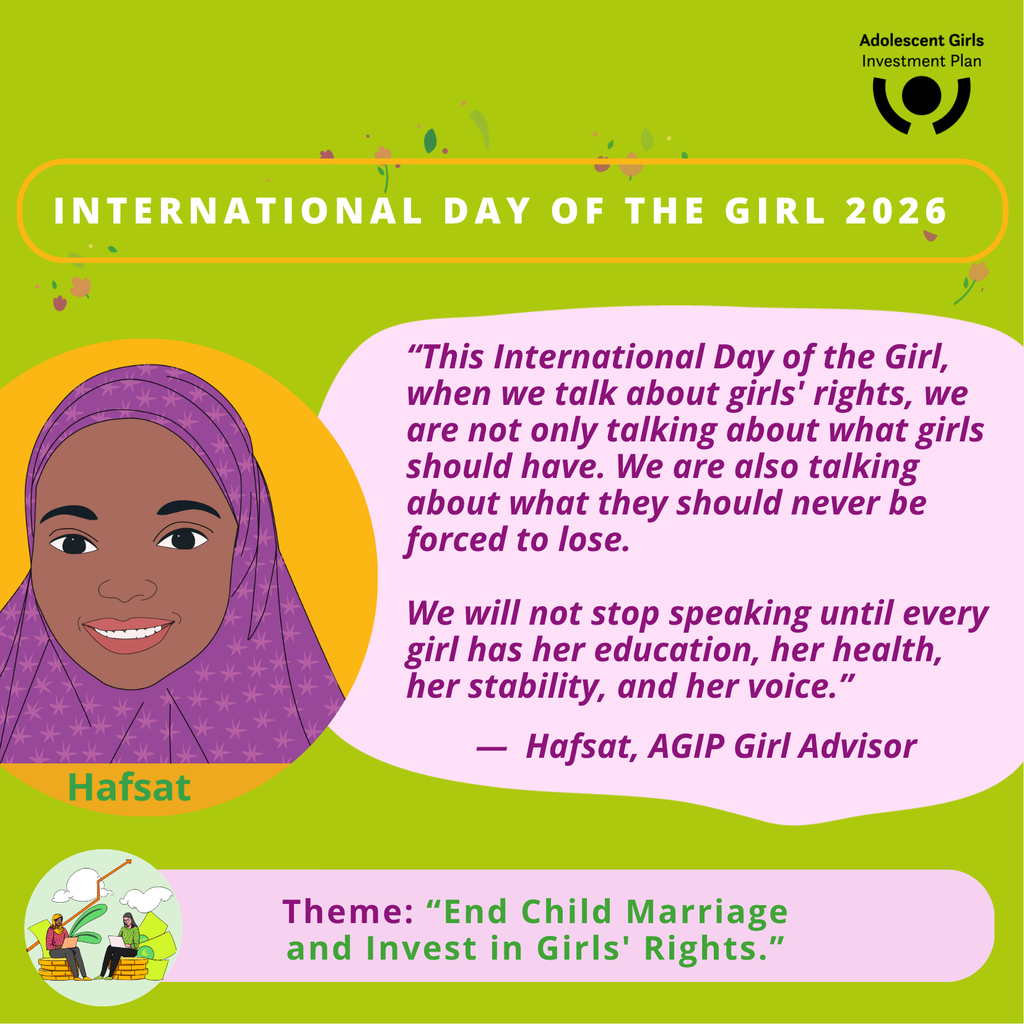
“This International Day of the Girl Child, when we talk about girls’ rights, we are not only talking about what girls should have. We are also talking about what they should never be forced to lose.” ~ Hafsat-AGAC Girl Advisor Cohort II

In 2023, just 4.71% of bilateral aid targeted gender- and adolescent-focused investments, down from 6.18% in 2019. Only 1.6% of this funding reached youth-led organisations. 

Yet adolescent girls make up 20–30% of the population in many low- and middle-income countries. 

These figures from the GAGE–AGIP youth-friendly resource, Investing in Adolescent Girls: Mapping Global Funding Patterns 2016–2023 and Beyond point to a gap that is difficult to ignore: girls make up a significant share of the population, but the resources directed towards them do not reflect their numbers, needs or potential. 

And when investment falls short, girls pay the price. 

They face barriers to education, health and sexual and reproductive health and rights, safety, economic opportunity and participation in decisions that affect their lives. For millions of girls, these inequalities also increase their risk of child marriage. 

Child marriage is a question of rights, choices and investment  

The latest research from Girls Not Brides and the Girls First Fund, International Funding to End Child Marriage: Reviewing a Decade of Investment, makes the funding gap even clearer. 

Before the major cuts to official development assistance in 2025, just 0.025% of overall ODA was allocated to projects with a primary focus on ending child marriage. More than 70 million girls are estimated to be at risk of child marriage over the next five years, meaning current international funding amounts to less than US$1 per girl at risk, per year. 

At the same time, organisations working closest to girls and communities affected by child marriage receive only a fraction of available funding. 

This is not simply a question of how much money is available. It is also about where resources go, who gets to make decisions and whether girls themselves have the power and space to shape the solutions. 

The Girls Not Brides and Girls First Fund research calls for action to protect existing funding, unlock new resources, shift power and resources to organisations working directly with girls and communities, share evidence and knowledge, and advocate together to keep ending child marriage on political and funding agendas. 

These calls are particularly urgent as international aid faces major cuts and girls’ and women’s rights face growing pressure globally. 

Girls Not Brides is putting these recommendations into action with the first of their Country Accelerator Programmes in Malawi. Read more here.  
Girls are already leading. We need to invest in their leadership.  

Across the world, girls are not waiting for someone else to solve these challenges. 

They are organising. They are speaking out. They are supporting their peers. They are challenging harmful norms, resisting child marriage, and creating solutions in their schools and communities. 

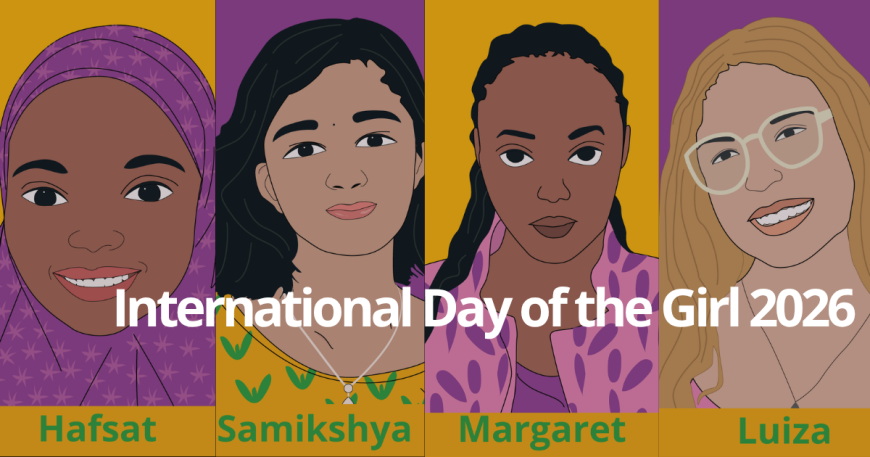
We spoke to young leaders from AGIP’s Adolescent Girls Advisory Committee, and this is what they had to say: 

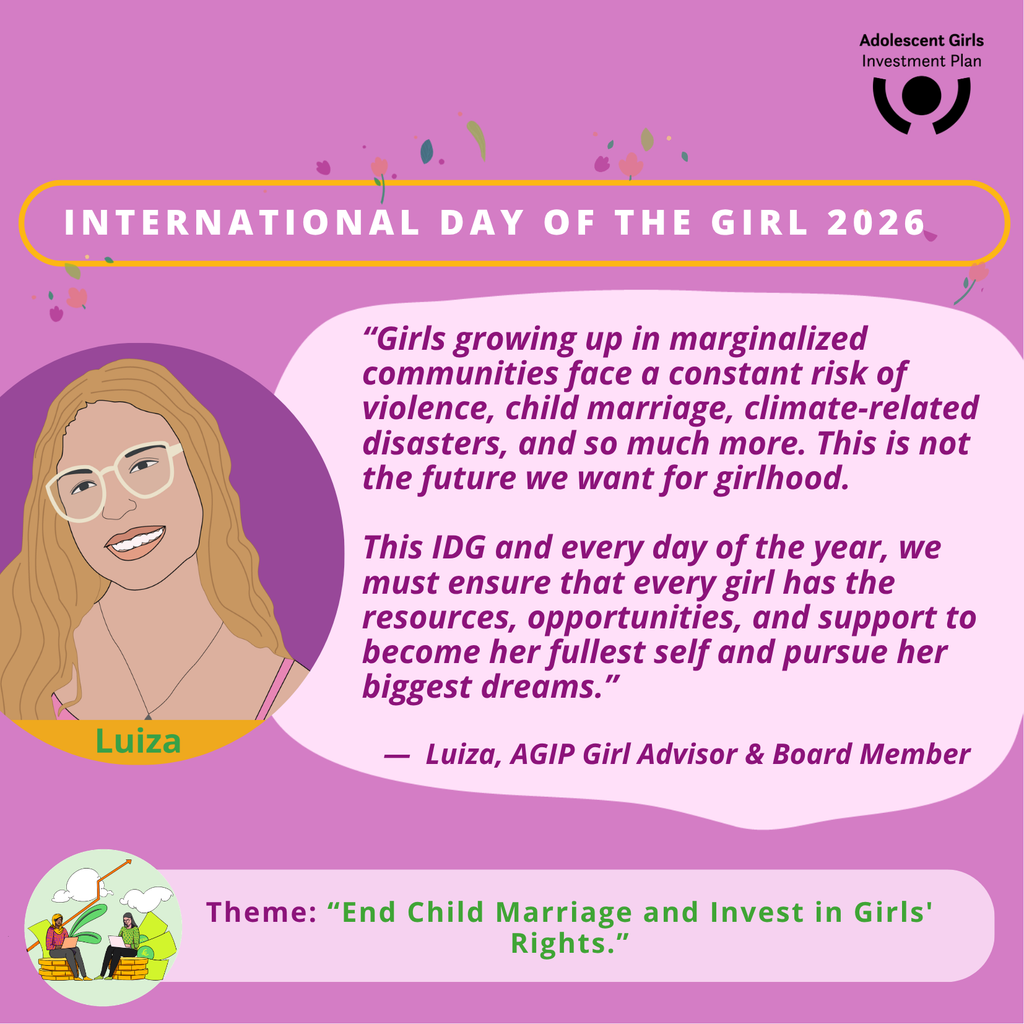
Luiza from Brazil reflects: 

“Girls growing up in marginalized and under-resourced communities face a constant risk of violence, child marriage, climate-related disasters, food insecurity, and so much more. This is not the future we want for girlhood. 

Yet, even in the face of these challenges, girls everywhere are building initiatives, leading their peers, and creating the futures they envision for their communities. On this International Day of the Girl and every day of the year we must ensure that every girl has the resources, opportunities, and support to become her fullest self and pursue her biggest dreams.” 

That means investment cannot stop at programmes designed for girls. It must also reach girl-led and youth-led organisations, creating opportunities for girls to lead, organise and influence the decisions that affect them. 

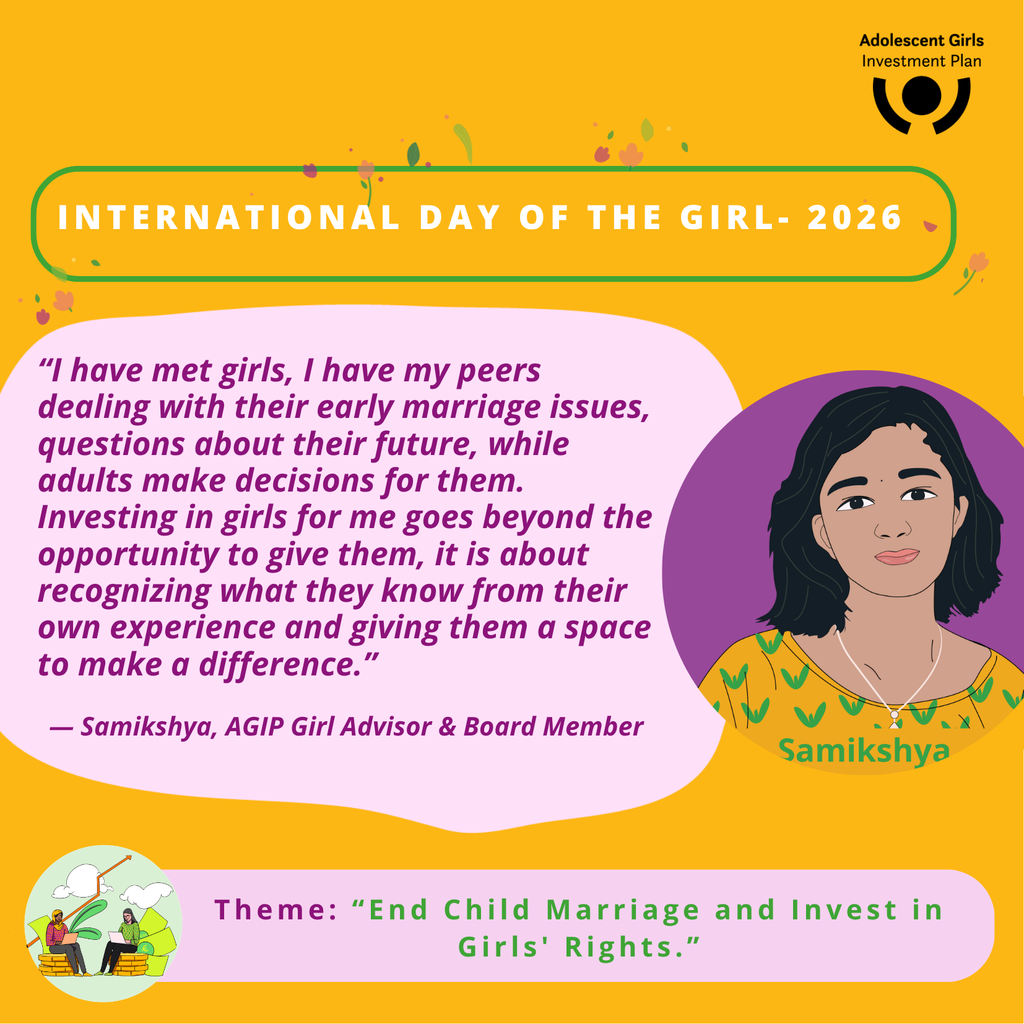
As Samikshya from Nepal, puts it:  

“Sometimes we already know what needs to change – we just don’t usually get the space to share it or be heard.” 

She has seen girls speaking up in their schools and communities, online and offline, on issues including climate change and child marriage. But, as she says, simply hearing girls is not enough. 

“Investing in girls for me goes beyond the opportunity to give them, it is about recognizing what they know from their own experience and giving them a space to make a difference.” 
What girls should have and what they should never be forced to lose 

For Hafsat from Nigeria, the stakes are clear. 

“In Nigeria, 1 in 3 girls is married before 18. Our research found that many of them want to keep learning. But once they are married off early, they have no time to finish school, and they carry the burden of a family they are not ready for.” 

Her message goes beyond access to opportunities. It is about protecting the rights and choices girls should never have to give up. 

“This International Day of the Girl Child, when we talk about girls’ rights, we are not only talking about what girls should have. We are also talking about what they should never be forced to lose.” 

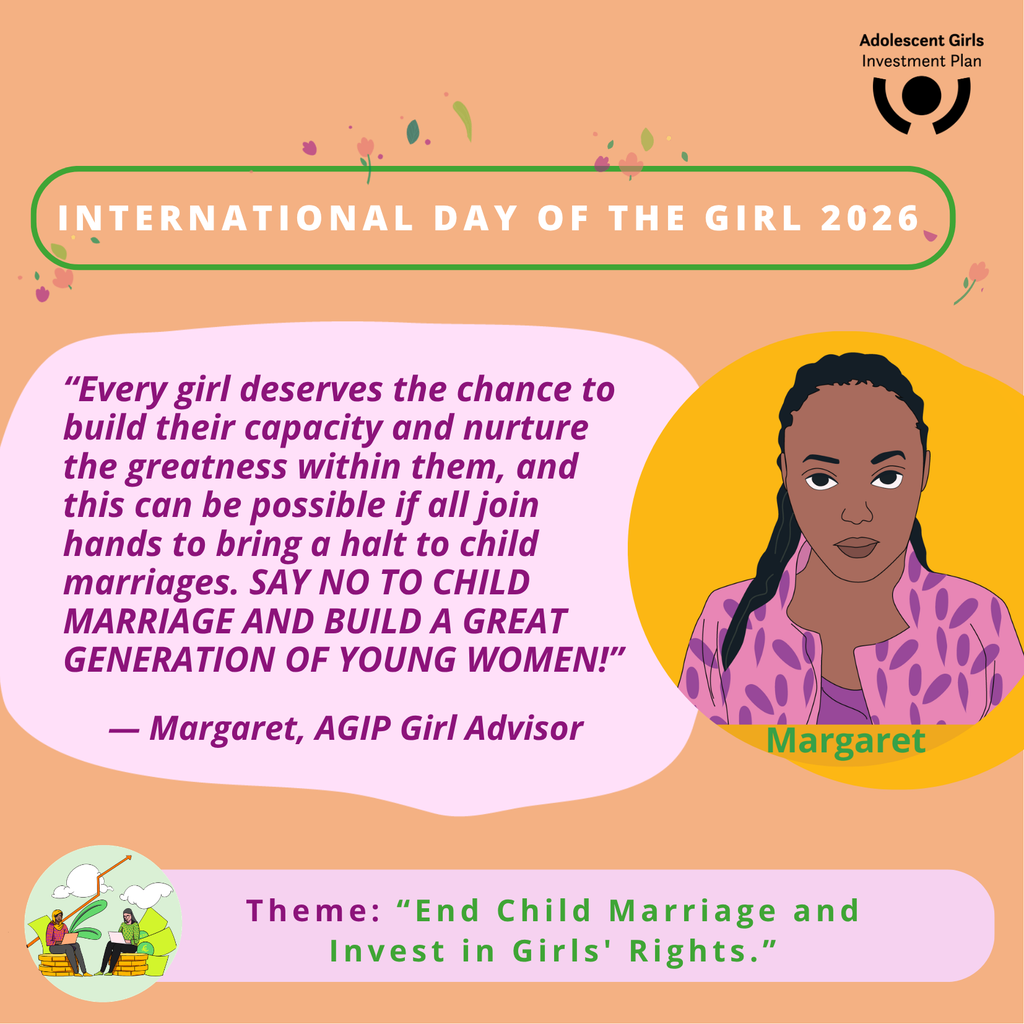
And Margaret a Girl Advisor from Kenya, reminds us that every girl deserves the opportunity to develop her potential: 

“Every girl deserves the chance to build their capacity and nurture the greatness within them, and this can be possible if all join hands to bring a halt to child marriages.” 

Investment must match the ambition 

International Day of the Girl gives us an opportunity to celebrate girls’ leadership and raise awareness of the barriers they face. But it must also be a moment to ask what happens after the day is over. 

Are governments following through on their commitments? 

Are donors investing enough — and investing in the right places? 

Are resources reaching girls and their communities?  

Are girls being given real power to shape decisions? 

And, critically, are we investing in the systems and opportunities that allow girls to avoid child marriage and choose the futures they want? The evidence tells us that we need more than commitments. We need sustained, flexible and meaningful investment in girls’ rights. 

by Asha Mukanda, Communications and Membership Officer, AGIP

July 8, 2026

Turning Evidence into Action: Collective Reflections from the Evidence to Impact Symposium 

Blogs

AGIP at the Evidence to Impact Symposium: Shaping Adolescent-Centred Policies and Programmes in Eastern and Southern Africa.

AGIP at the Evidence to Impact Symposium: Shaping Adolescent-Centred Policies and Programmes in Eastern and Southern Africa.

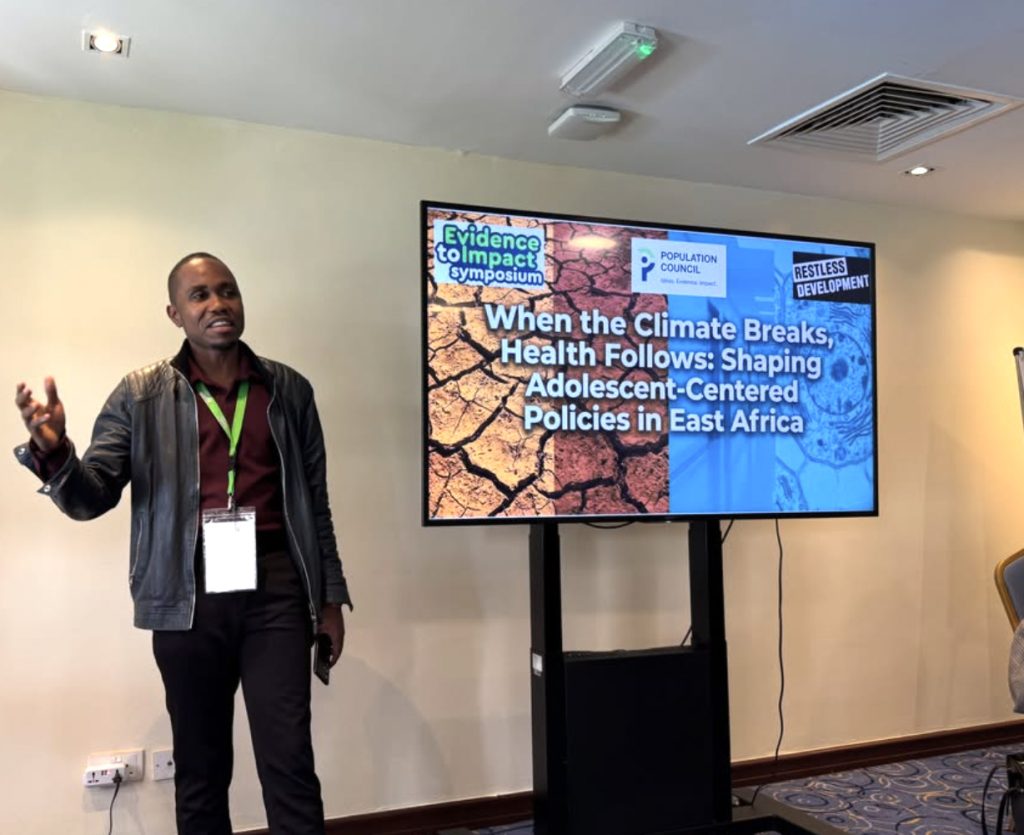
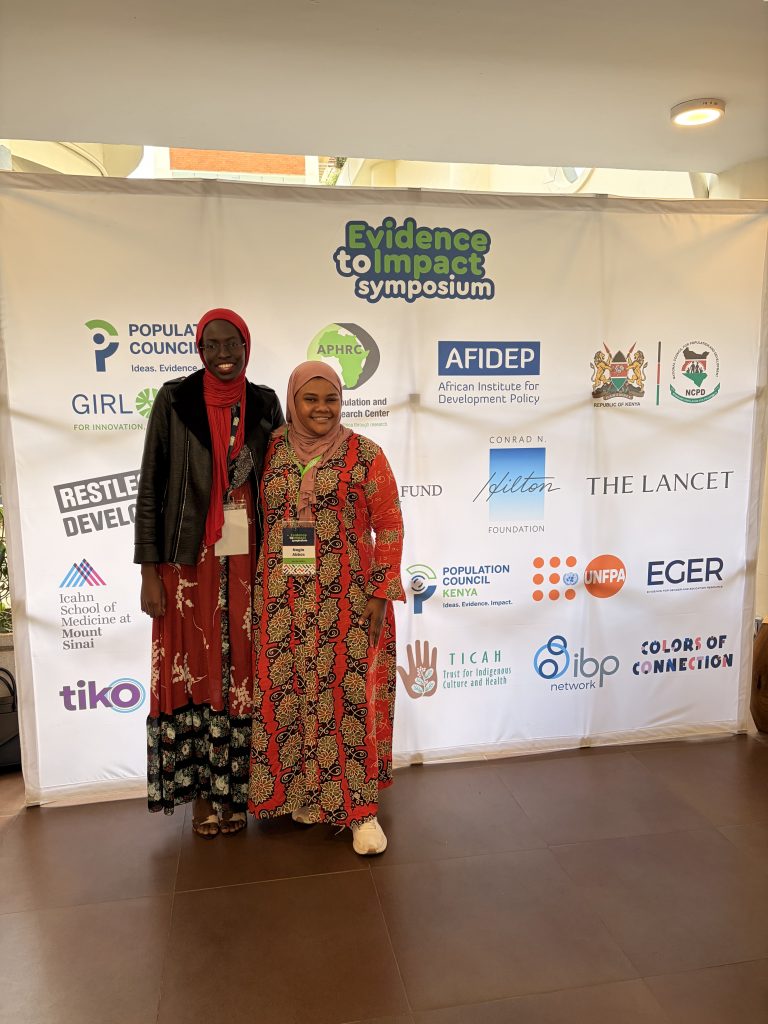
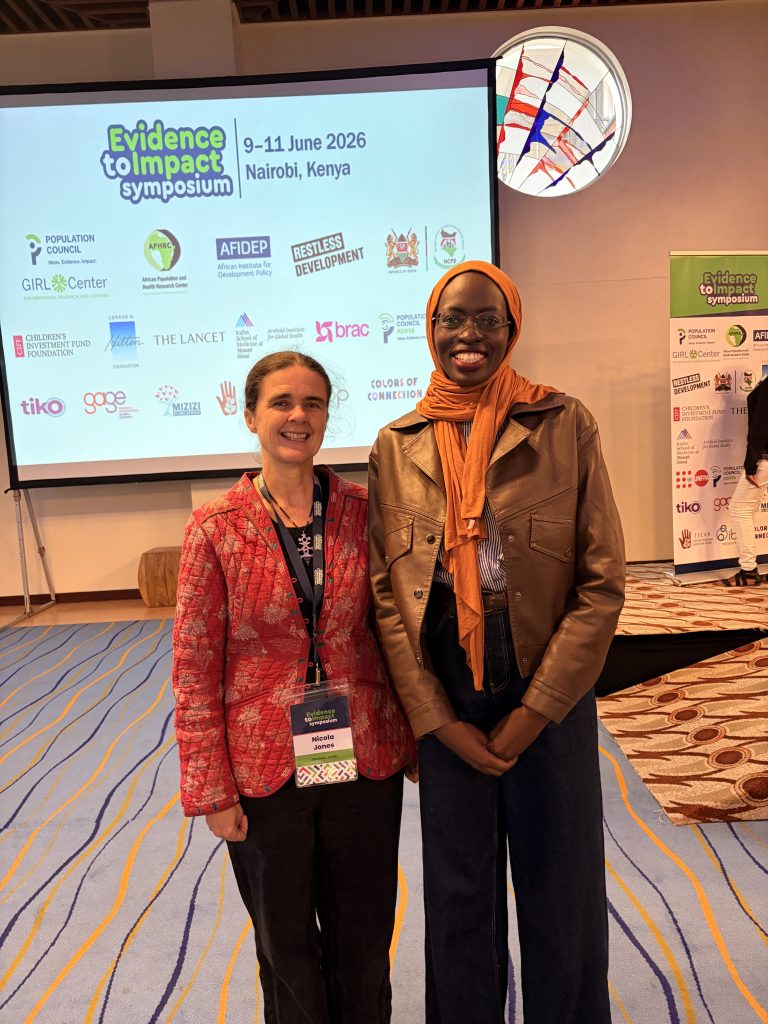
From 9 –11 June 2026, AGIP joined more than 300 researchers, policymakers, practitioners, funders, civil society organisations, and youth advocates in Nairobi, Kenya, for the Evidence to Impact Symposium: Shaping Adolescent-Centred Policies and Programmes in Eastern and Southern Africa. Co-hosted by Population Council Kenya, the Government of Kenya, and regional and global partners, the symposium explored how stronger evidence can shape policies, programmes, and investments that improve adolescent wellbeing across the region. 

For AGIP, the symposium was also an opportunity to reconnect with coalition members, exchange ideas, and learn from the growing body of evidence being generated across the adolescent girls’ ecosystem. 

Evidence that speaks to reality 

Throughout the symposium, AGIP members demonstrated the importance of pairing rigorous research with practical action and lived experiences. 

GAGE (Gender and Adolescence: Global Evidence) presented findings from its longitudinal research examining how conflict continues to shape adolescent health, wellbeing, and access to essential services. Drawing on evidence from Ethiopia, the research highlighted worrying trends, including increasing food insecurity, declining access to social protection, rising levels of depression among young people, and the continued impact of violence within households. At the same time, the session reinforced the value of long-term research in understanding how adolescents’ lives change over time and why these insights are critical for designing responsive policies and programmes. 

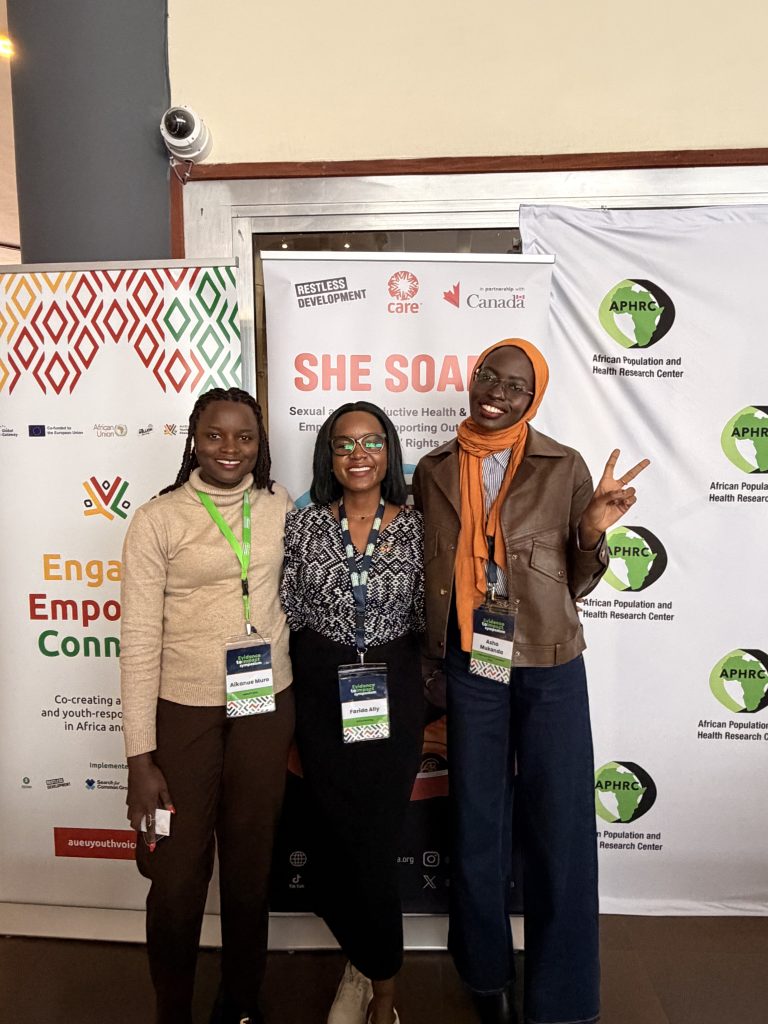
At another session, AMPLIFY Girls shared findings from the Binti Shupavu randomised controlled trial in rural Tanzania. Presented by Aikande Muro, the session explored the pathways through which adolescent girls build agency and the importance of investing in interventions that strengthen girls’ confidence, decision-making, and opportunities. The discussion underscored that girls’ agency does not develop in isolation but is shaped by families, communities, education systems, and the broader environments in which girls grow up. 

Closing the evidence gaps 

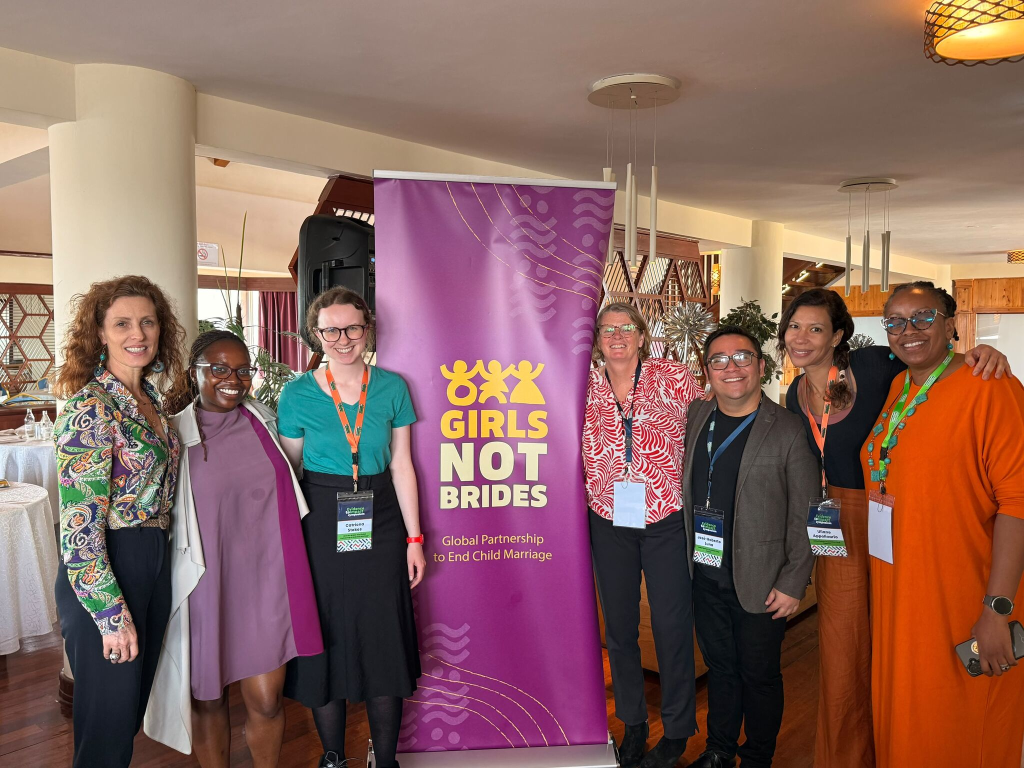
AGIP also joined Girls Not Brides, together with the UNFPA–UNICEF Global Programme to End Child Marriage, UNICEF Innocenti, and WHO-HRP, for a collaborative workshop examining critical evidence gaps on Girl Centred Interventions to inform the Shared Global Research Agenda to Prevent and Respond to Child Marriage  

35 researchers, practitioners, advocates, and youth leaders came together to reflect on evidence needed to better support girls, particularly adolescent mothers, parenting adolescents, and ever- married girls. Discussions highlighted the need for more research on how to engage boys and young men in addressing harmful social norms, improving access to adolescent friendly comprehensive sexuality education and sexual and reproductive health services, and identifying advocacy approaches that generate sustained political commitment to prevent and respond to child marriage. 

Across the conversations, one message was clear: research must be grounded in girls’ lived realities, shaped by their voices, and designed to support practical, scalable action. 

Join the Child Marriage Research to Action Network to stay updated and get involved in shaping the Shared Global Research Agenda  

From evidence to impact 

Many of the reflections shared by Restless Development echoed a message that surfaced repeatedly throughout the symposium: there is no shortage of evidence on adolescents. Several speakers encouraged having evidence informs policy, financing, implementation , and accountability. 

Participants repeatedly emphasised that evidence becomes meaningful when it is translated into stories, policies, and programmes that improve young people’s lives. This requires researchers, governments, civil society organisations, funders, and young people themselves to work together not only to generate knowledge but to champion it and ensure it is acted upon. 

Another important conversation centred on participation. Several speakers challenged the sector to create more opportunities for adolescents to contribute directly to research and policymaking, while also recognising the growing importance of engaging boys and young men. In the context of shrinking civic space and the increasing influence of harmful online narratives, participants stressed that achieving gender equality requires creating spaces where boys can learn, unlearn, and become allies alongside girls. 

Looking ahead 

As the symposium came to a close, one reflection remained with us: evidence alone does not create change. Change happens when research is accessible, when young people shape the conversations, and when organisations work together to translate knowledge into action. 

For AGIP, the symposium reinforced the value of collaboration across the coalition and wider ecosystem. Connecting with colleagues from GAGE, Girls Not Brides, AMPLIFY Girls, and Restless Development served as a reminder that while each organisation contributes unique expertise, our collective impact is greatest when we bring evidence, advocacy, and adolescent leadership together to shape a future where every girl can thrive. 

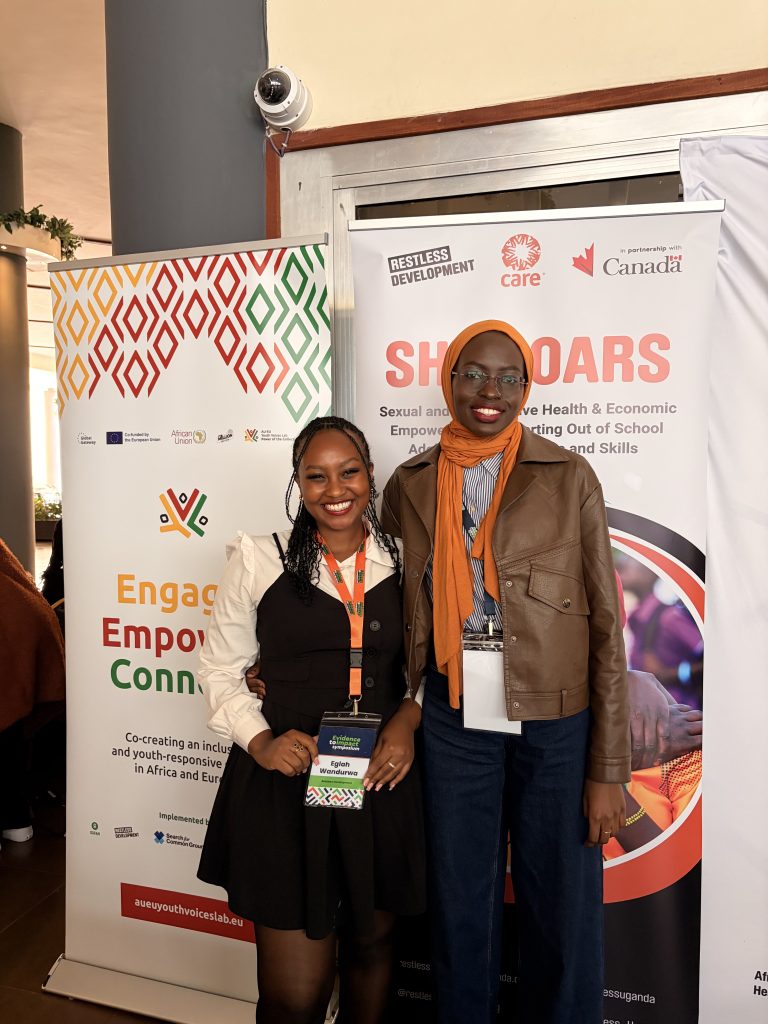
Blog authored by Jean from Girls Not Brides, Eglah from Restless Development, Aikande from AMPLIFY Girls compiled by Asha from AGIP

June 28, 2026

From NewYork to Narrm: Advancing Girl Centered Action Across Global Spaces

Blogs

Over March and April 2026, across global policy spaces including the 70th Session of the Commission on the Status of Women (CSW70), the 59th Session of the Commission on Population and Development (CPD59), and Women Deliver 2026, AGIP members demonstrated the power of coordinated advocacy. Together, they elevated adolescent girls’ voices, advanced evidence-informed solutions, and pushed for stronger accountability, investment, and action for girls worldwide. 

CSW70: Bringing Girls to the Centre of Global Decision-Making 

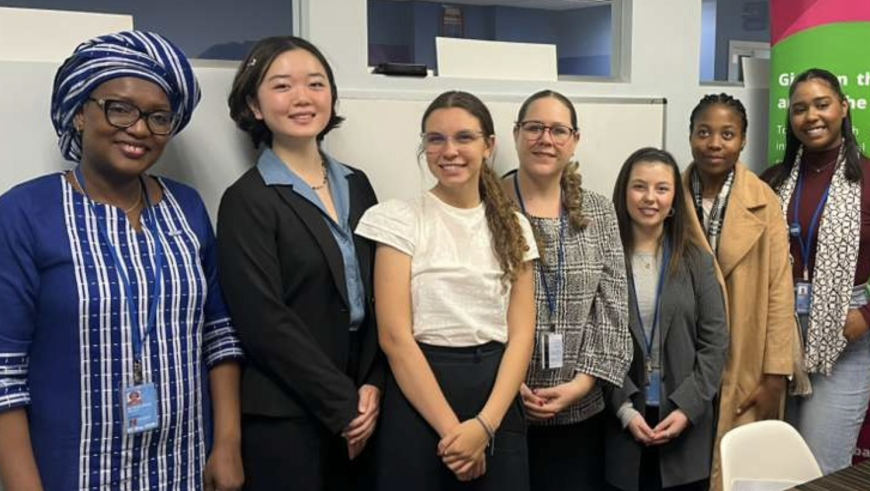
At the 70th Session of the Commission on the Status of Women (CSW70), AGIP members and Girl Advisors demonstrated the power of coordinated, girl-centred advocacy across a range of events, dialogues, and strategic engagements. 

A key moment during Women Deliver 2026 was the Together to End Child Marriage event convened by AGIP member Girls Not Brides, alongside partners including AGIP members Plan International and Malala Fund. The event marked an important opportunity to spotlight renewed commitments to ending child marriage, including the launch and advancement of collective efforts under the global partnership to end child marriage, while sharing new evidence and insights on progress, challenges, and solutions. 

With support from Panorama Global, AGIP Girl Advisor Luiza Caleia (AGAC Cohort 2) was invited to speak during the event, bringing an adolescent girl perspective to discussions on accountability, participation, and the importance of ensuring girls are meaningfully involved in shaping the policies and programmes designed to affect their lives. 

Akili Dada moderated a panel during the same event exploring innovative solutions to ending child marriage, highlighting the power of storytelling, direct investment in girls, and community-driven education models that connect local realities with policy action. The coalition also showcased evidence designed to make research more accessible and actionable for girl leaders, including AGIP-GAGE’s Investing in Adolescent Girls: Mapping Global Funding Patterns 2016–2023 – A Summary for Young Advocates. Analysing global ODA trends, the publication highlighted persistent funding gaps, limited support for girl-led organisations, and the urgent need for more equitable investments in adolescent girls worldwide. 

CSW70 also provided opportunities for meaningful intergenerational dialogues with governments. Luiza joined youth activists from Mozambique, the Dominican Republic, Ireland, and the United States for a conversation with AGIP Accountability Champion, Barbara Curran, Director General at Global Affairs Canada. Hosted by AGIP Co-Chair Awa Faly Ba, the discussion explored gender justice, youth leadership, and the importance of ensuring girls are meaningfully included in global decision-making processes. As the conversation concluded, DG Curran reaffirmed a message that resonated throughout the week: “We’re counting on your leadership, and it’s clear it’s here.” 

The International Planned Parenthood Federation (IPPF) maintained a strong presence throughout the Commission, using the platform to advocate for sexual and reproductive health, rights and justice (SRHRJ) at a time of growing attacks on bodily autonomy, shrinking civic space, and anti-rights movements globally. Through a series of side events, IPPF convened advocates, policymakers, and community leaders to explore issues including abortion access, reproductive justice, strategic litigation, and accountability within legal and policy systems.

The 59th Session of the Commission on Population and Development (CPD59 

At the 59th Session of the Commission on Population and Development (CPD59), IPPF contributed to global discussions under the theme “Population, technology and research in the context of sustainable development.” Throughout the convening, IPPF advocated for sexual and reproductive health, rights, and justice (SRHRJ) to remain central to conversations on technological change, highlighting both the opportunities and risks that technology presents for women, girls, and marginalised communities.

Plan International brought a strong focus on youth leadership, digital rights, and sexual and reproductive health and rights (SRHR) to CPD59. Through its participation in national delegations, civil society advocacy spaces, and a high-level side event, Plan amplified the voices of young advocates and contributed to discussions on technology, digital safety, and girls’ rights. A key highlight was its youth-led side event, Innovation for Equality: Advancing SRHR in the Digital Era, which explored how technology can both expand access to information and services while also exposing girls and marginalized groups to new risks.  

AGIP at Women Deliver 2026 

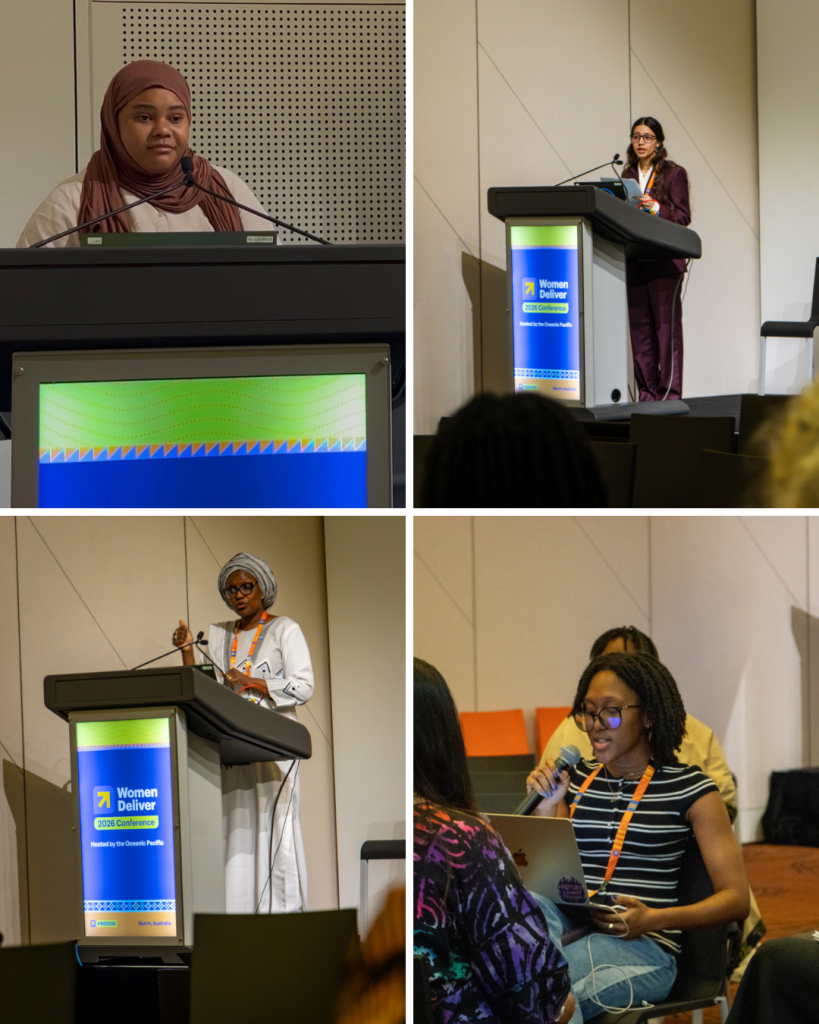
Momentum from CSW70 and CPD59 carried forward into Women Deliver 2026 in Narrm (Melbourne), Australia, where AGIP members, partners, Girl Advisors, and Secretariat representatives came together to strengthen collective action for adolescent girls. 

Women Deliver also provided an important opportunity for in-person connection, including a dedicated AGIP member meet-up that brought together coalition members from across regions and organisations. We extend our sincere thanks to all members who joined, including colleagues from Akili Dada, Amplify Girls, GAGE, Plan International, IPPF, Women Deliver, Girls Not Brides, Restless Development, and others who took the time to connect, reflect, and strengthen relationships across the coalition. 

A particular highlight of Women Deliver 2026 was the strong presence and leadership of adolescent girls themselves. AGIP Girl Advisors and youth advocates actively shaped conversations, contributed to strategic discussions, and shared their experiences and expertise across conference spaces. 

Beyond AGIP-led engagements, coalition members also contributed to the Women Deliver programme through a range of sessions focused on resisting anti-rights movements, advancing adolescent girls’ rights, disability justice, SRHR, youth leadership, technology, and cross-movement solidarity. Organisations including Save the Children, GAGE, FRIDA, Plan International, IPPF, and Women Deliver convened discussions that elevated youth voices, explored emerging challenges and opportunities, and strengthened collective action for gender equality and girls’ rights across diverse movements and sectors. 

The AGIP secretariat convened two strategic events during the conference: 

Safeguarding Rights and Agency: Adolescent Engagement in Shrinking Civic Spaces 

Co-hosted with FRIDA | The Young Feminist Fund, (IPPF), Plan International, Restless Development, Women Deliver, (UNFPA), and UNGEI, this session explored how safeguarding must evolve to respond to shrinking civic space, digital harms, anti-rights backlash, and growing risks faced by adolescent girls and young feminist advocates. With contributions from Awa Faly Ba Plan International, Rushna Zubair, AGIP Girl Advisor, Sapphire Alexander from Caribbean Feminist, Grace Aumua, Youth Officer, Samoa Family Health Association, Leyla Sharafi, Chief, Gender, Human Rights and Inclusion Branch, UNFPA, Paige Andrew, Co-Executive Director, Frida Fund, Olivia Burns, Programe Manager, AGIP 

Discussions reinforced that safeguarding must move beyond compliance to centre care, dignity, wellbeing, accountability, and meaningful participation, with adolescent girls actively shaping the systems designed to protect them. To read about the event and key insights in more detail please check out our event report. 

Collective Action on Girl-Centred Accountability 

Girl-Centred Accountability strategy session, bringing together adolescent girl advocates, civil society organisations, researchers, donors, governments, and global partners. To turn promises for adolescent girls into action by aligning the girls’ rights ecosystem around the key global commitments and accountability mechanisms to collectively prioritise over the next 18-24 months, supported by a shared understanding and tools on girl-centred accountability. Through presentations, interactive discussions, and breakout sessions, participants examined accountability mechanisms including the Universal Periodic Review (UPR), CEDAW, the Convention on the Rights of the Child (CRC), and Voluntary National Reviews (VNRs), while identifying practical actions to strengthen implementation, investment, and girl-centred leadership. 

The session featured contributions from AGIP Co-Chair Joy Zawadi, Lo Riches (Women Deliver), Joanne Westtcot Simpson (Plan International) Christine Khuri (GAGE) AGAC Board Member Luiza Caleia, Olivia Burns (AGIP), alongside the launch of new evidence and tools designed to strengthen accountability across the adolescent girls’ ecosystem. Discussions reinforced the importance of moving beyond commitments towards meaningful action, ensuring adolescent girls are recognised as leaders within accountability processes and decision-making spaces.  

Read the full event report to explore the key insights, recommendations, and next steps that emerged from the session. 

Moving Forward Together 

From New York to Naarm, AGIP members demonstrated the value of coordinated advocacy, girl-centred leadership, evidence-informed action, and collective accountability. 

Across CSW70, CPD59 and Women Deliver 2026, one message remained clear: adolescent girls are not simply participants in these conversations they are leaders, advocates, experts, and change-makers. As global challenges continue to evolve, so too must our commitment to ensuring girls are meaningfully included, adequately resourced, and empowered to shape the decisions that affect their lives. 

Together, we continue advancing a future where adolescent girls are not only represented, but truly at the centre of global action. 

~ by Asha Mukanda Communications and Membership Officer, AGIP